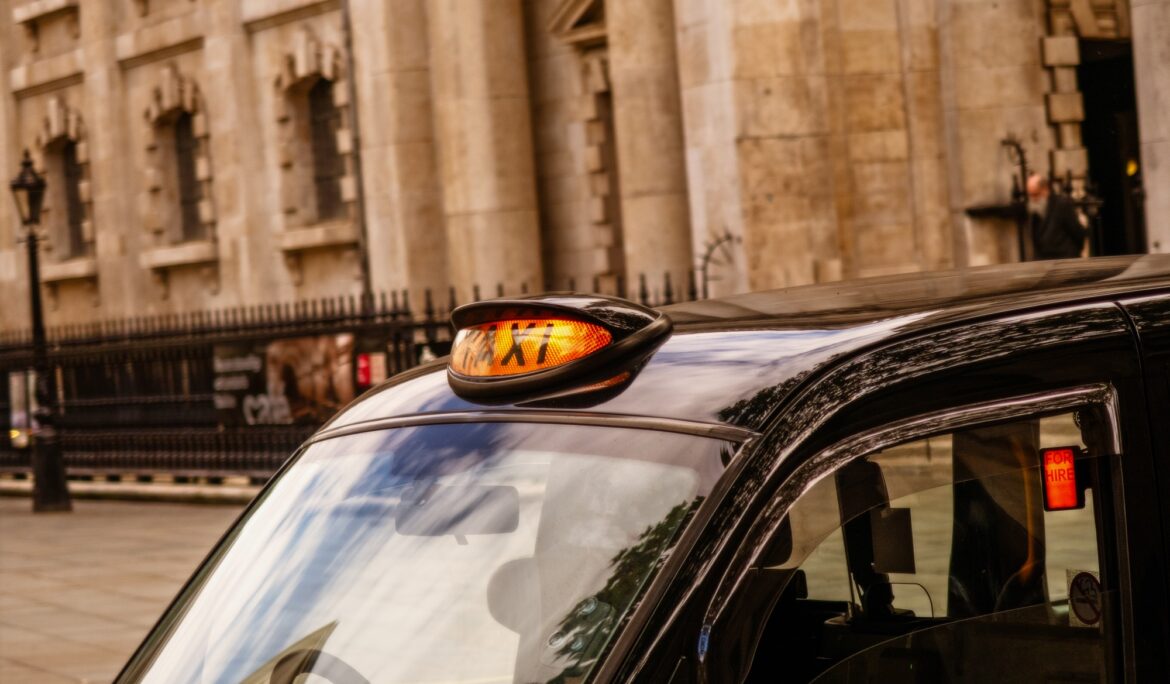
Hire and Reward insurance is motor insurance that covers you to carry passengers or goods in return for payment. If you drive a taxi, deliver parcels or takeaway food, or carry passengers in a minibus or chauffeur car for a fee, you will need it. Standard car insurance, including policies with business use, does not cover Hire and Reward work, so driving for payment without it can mean you are not insured for that journey.
Here at XYZ Insurance, Hire and Reward cover is what we do every day, for taxi, courier, food delivery, minibus, chauffeur and fleet customers. This guide explains what it means, who needs it and what to look for, with no insurance jargon.
What Does “Hire And Reward” Mean?
“Hire and Reward” simply means using a vehicle to carry people or goods that belong to someone else, in exchange for money or another kind of payment. The “reward” doesn’t have to be a fare. It can be a delivery fee, a per-drop rate, a contract payment or a daily rate.
Every motor insurance certificate lists the uses you are covered for. If Hire and Reward isn’t on your certificate, your policy doesn’t cover paid passenger or delivery work.
Who Needs Hire And Reward Insurance?
Carrying Passengers For Payment
- Private Hire drivers, who can only take pre-booked passengers, including bookings made through an app. See our Taxi Insurance page.
- Public Hire (hackney carriage) drivers, who can also be hailed in the street or work from a taxi rank.
- Contract Hire drivers, for example on school or hospital transport contracts.
- Chauffeurs and executive drivers. See our Chauffeur Insurance page.
- Minibus, PSV and limousine operators carrying paying passengers. See our Minibus Insurance and Limousine Insurance pages.
The exact policy you need depends on the licence you hold and the requirements of your licensing authority. If you’re just starting out, our guide on how to become a taxi driver in the UK explains the licensing steps.
Carrying Goods For Payment
- Parcel and letter couriers, on multi-drop or single-drop work. See our Courier Insurance page.
- Fast food delivery drivers and riders, whether you work through an app or directly for a takeaway. See our Fast Food Delivery Insurance page.
- Pallet, haulage and HGV drivers carrying other people’s goods. See our HGV Insurance page.
Thinking of going it alone? Our guide on how to become a self-employed courier covers vehicles, insurance and finding work.
Hire And Reward vs Other Types Of Vehicle Use
This is where most of the confusion comes from. Here is how the common types of use compare:
- Social, domestic and pleasure: everyday personal driving, such as shopping, visiting friends and holidays.
- Commuting: driving to and from one regular place of work.
- Business use: driving as part of your job, such as visiting clients or travelling between sites. It does not include carrying paying passengers or delivering goods for a fee.
- Carriage of own goods: for tradespeople carrying their own tools, equipment and materials. It does not cover delivering other people’s goods for payment.
- Hire and Reward: carrying passengers or other people’s goods in return for payment.
If any part of your driving involves being paid to carry people or other people’s goods, you need Hire and Reward cover for that work.
What Usually Doesn’t Count As Hire And Reward?
Informal lift sharing, where passengers chip in towards fuel and you don’t make a profit, isn’t normally treated as Hire and Reward. Driving to a meeting for your employer is business use, not Hire and Reward. If you are unsure where your driving falls, ask your insurer before you set off, not after an incident.
What Happens If You Drive For Payment Without Hire And Reward Cover?
If you carry paying passengers or deliver goods for a fee without the right cover, you are likely to be driving without valid insurance for that journey. That is an offence that can lead to a fine, 6 to 8 penalty points and your vehicle being seized. Your insurer may also refuse to pay for damage to your own vehicle, and while it may still have to deal with claims from other people, it can try to recover those costs from you.
For taxi and Private Hire drivers, there is a licensing risk too, as councils expect you to hold valid Hire and Reward insurance for your licensed vehicle at all times.
What Does Hire And Reward Insurance Cover?
Hire and Reward insurance is available at the same three levels as standard motor insurance:
- Third Party Only: the legal minimum. Covers injury to other people and damage to their property, but not damage to your own vehicle.
- Third Party, Fire and Theft: adds cover if your vehicle is stolen or damaged by fire.
- Comprehensive: also covers damage to your own vehicle, even if an accident was your fault.
Many of our policies can also cover your own personal use. Just let us know if you need it so we can tailor the policy to you.
What Hire And Reward Insurance Doesn’t Cover On Its Own
A Hire and Reward motor policy covers the vehicle and your liability on the road. It doesn’t cover the goods you carry or every claim that could arise from your work. That’s why many drivers add extra cover:
- Goods in Transit: covers the goods you’re carrying if they are damaged, destroyed, lost or stolen.
- Public Liability: protects you if a member of the public claims for injury or property damage while you’re working, for example a passenger tripping as they get out of your vehicle.
- Employers’ Liability: a legal requirement in most cases if you employ staff.
- Replacement vehicle, breakdown, excess protection, key care and legal expenses cover, to help keep you working after an incident.
What Affects The Cost Of Hire And Reward Insurance?
- The type of work, such as Private Hire, Public Hire, multi-drop or food delivery.
- Your age, driving experience, claims and convictions.
- The vehicle, its value and any modifications.
- Where you work and where the vehicle is kept overnight.
- Your annual mileage and whether you need personal use.
- The level of cover, your excess and any add-ons.
Because Hire and Reward work carries more risk than personal driving, it usually costs more than a standard policy. A specialist broker can search a panel of insurers that understand your type of work.
Annual Or Short-Term Hire And Reward Cover?
We offer both annual and short-term policies. Annual cover suits most full-time drivers, while short-term cover can help when you’re starting a temporary contract or testing a new type of work. You can pay in full or spread the cost with a deposit and three instalments, four instalments or nine monthly instalments.
Frequently Asked Questions
Is Hire And Reward The Same As Taxi Insurance?
Taxi insurance is a type of Hire and Reward insurance. Hire and Reward is the wider term, covering both passenger and goods work, including taxi, courier and food delivery policies.
Does Business Use Cover Me For Deliveries?
No. Business use covers driving as part of your job, but not delivering goods for a fee. Paid delivery work needs Hire and Reward courier or food delivery insurance.
Do I Need Hire And Reward Insurance To Deliver Takeaways?
Yes. If you are paid to deliver food, whether through an app or directly for a takeaway, you need Hire and Reward cover for food delivery. Some apps have their own insurance requirements, so check what yours asks for.
Does Hire And Reward Insurance Cover The Goods I Carry?
Not on its own. Hire and Reward covers your vehicle and your liability to others. To protect the goods themselves, you need Goods in Transit insurance.
Can I Insure Several Hire And Reward Vehicles On One Policy?
Yes. A fleet policy can cover several vehicles with one renewal date. Our guide on when fleet insurance becomes cheaper than individual policies explains how to compare.
Get The Right Hire And Reward Cover For Your Work
The key is to be clear about exactly what you’ll be doing: what you carry, who you carry it for and the licence you hold. Once we know that, we can search our panel of specialist insurers to find a policy that fits.
Get an online quote or call our UK-based team on 01268 916916 (Monday to Friday, 9:00am to 5:30pm).